Golf-related back discomfort
Pain or stiffness associated with rotation, stance, repeated swings, or walking the course.
Palm Springs · Sports recovery
Move confidently. Recover thoughtfully. Stay active.
Integrated chiropractic, acupuncture, and rehabilitation for golfers, tennis and pickleball players, fitness enthusiasts, and active adults.
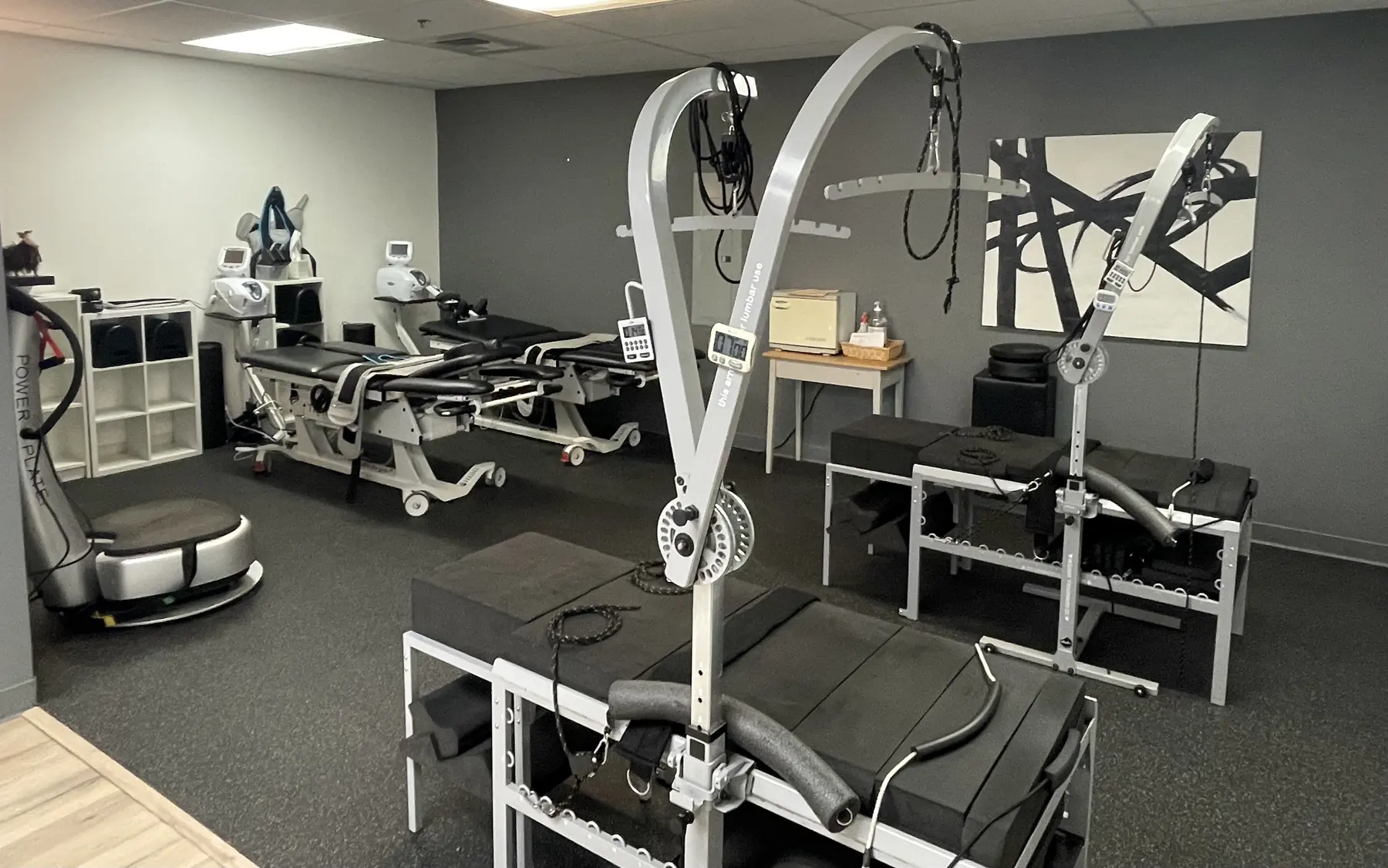
Built for active lives
Sport and recreation ask the body to rotate, stabilize, accelerate, absorb force, and repeat movements under fatigue. A painful area may be only one part of the larger mechanical and recovery pattern.
The Palm Springs team evaluates structure, movement, activity demands, and whole-body recovery before recommending care.
Explore our CBP® structural approachWhat patients often notice
An evaluation determines the likely pain generator, relevant mechanical factors, and whether treatment or referral is appropriate.
Pain or stiffness associated with rotation, stance, repeated swings, or walking the course.
Recurring neck, back, shoulder, hip, or muscular tension associated with court activity.
Restricted movement or guarding that affects lifting, conditioning, or recovery.
Symptoms that settle temporarily but return with the same movement or workload.
Loss of spinal, hip, or shoulder movement that changes technique or comfort.
Difficulty settling muscular tension, stress response, or fatigue between activities.
Your evaluation
The assessment connects symptoms to movement, structure, training load, recovery, and the specific activity the patient wants to continue.
Review sport, training, frequency, technique demands, recent changes, and goals.
Use orthopedic, neurologic, and chiropractic examination as appropriate.
Observe mobility, rotation, balance, control, and symptom-provoking patterns.
Discuss workload, sleep, stress, prior injuries, and response between sessions.
Select care that supports recovery while respecting the patient’s activity and timeline.
Personalized care
Care may involve one discipline or a coordinated combination according to the examination.
Targeted care for spinal mechanics, posture, joint function, and structural patterns.
Support for pain modulation, muscular balance, circulation, recovery, and regulation.
Movement, mobility, stability, and capacity work tied to the patient’s findings.
Non-surgical decompression when disc-related findings make it clinically appropriate.
Short-term changes that protect recovery without abandoning the long-term goal.
A gradual increase in activity according to symptoms, control, tolerance, and function.
Integrated sports recovery
When appropriate, chiropractic and acupuncture can address complementary parts of the patient’s movement and recovery picture.
Chiropractic and rehabilitation address posture, mobility, control, and spinal mechanics.
Acupuncture may support muscular comfort, pain modulation, circulation, and regulation.
Objective findings
Progress is evaluated through pain response, mobility, movement quality, training tolerance, recovery, and the ability to return to meaningful activity.
Imaging is used only when clinically appropriate. Individual results vary.

Is this the right next step?
Active adults with a musculoskeletal or recovery pattern that can be safely addressed through conservative care may be candidates.
Clinical review
Dr. Eric Swartz, DC and Dr. Bill Bastian, DACM, LAc coordinate structural care, movement, pain support, and recovery according to the needs of each patient.

Common questions
No. This page is for anyone who values staying active, from recreational players and gym members to walkers and active older adults.
Not always. Recommendations depend on the condition and may involve temporary modification, reduced load, or a gradual return rather than complete rest.
No. Each discipline is recommended only when it is appropriate. Some patients receive one service and others may benefit from coordinated care.
The clinical goal is to address relevant pain, mobility, mechanical, and recovery limitations. No specific performance outcome can be guaranteed.
Bring relevant imaging or records and be prepared to discuss the activity, symptom pattern, training changes, and goals. Comfortable clothing is helpful.
Palm Springs · Ready when you are
Schedule an evaluation to understand your findings, options, and appropriate next steps.