Localized low-back pain
Pain may remain around the lumbar joints and muscles or change with specific positions and loads.
Palm Springs · Back pain & sciatica
Connect spinal mechanics, pain patterns, and whole-body recovery.
Low-back pain and sciatica may involve discs, joints, nerves, muscles, movement, posture, and recovery. Palm Springs care can draw from chiropractic and acupuncture without assuming that every patient needs the same combination.
Back pain is not one diagnosis
A painful lower back does not tell us whether the primary contributor is a joint, disc, nerve, muscle, movement pattern, or another condition. Sciatica requires additional attention because symptoms may travel into the buttock or leg.
The Palm Springs team evaluates mechanical and neurologic findings while also considering muscular tension, stress, sleep, recovery, and activity demands. Recommendations may use one discipline or a coordinated plan.
Explore our CBP® structural approachWhat patients often notice
Sitting, walking, bending, golf, tennis, pickleball, sleep, and recovery can reveal patterns that shape the evaluation.
Pain may remain around the lumbar joints and muscles or change with specific positions and loads.
Radiating pain, tingling, numbness, or weakness into the leg requires careful neurologic screening.
Golf, racquet sports, fitness, lifting, and prolonged standing can challenge mobility, control, and recovery.
Repeated episodes may reflect unresolved loading, structural, conditioning, or recovery factors.
Your evaluation
The goal is to connect symptoms with examination findings before deciding what role each treatment should play.
Review onset, radiation, activity, sleep, stress, previous care, imaging, and the goals that matter most.
Movement, posture, orthopedic, neurologic, and chiropractic findings help narrow the contributing factors.
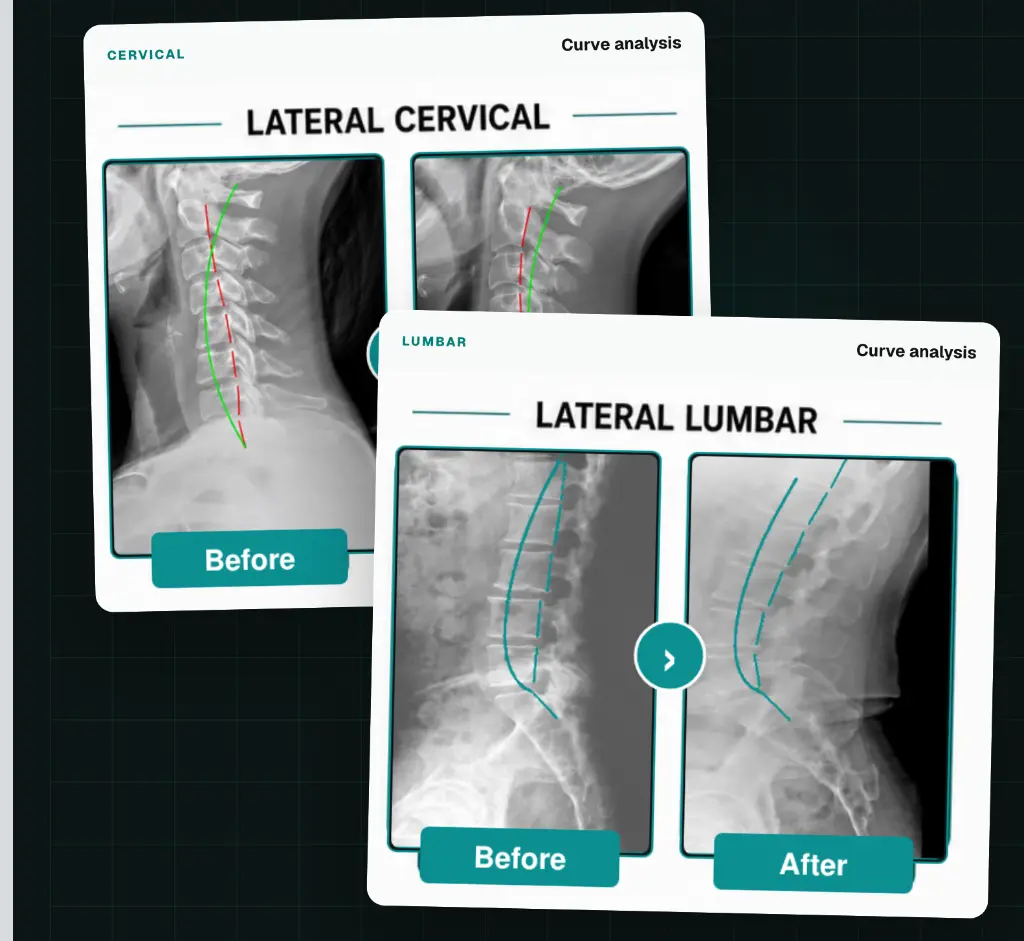
Digital imaging may be considered when structural information would affect recommendations.
Define whether chiropractic, acupuncture, rehabilitation, decompression, co-management, or referral is appropriate.
Personalized care
Integrated care is useful only when each component has a reason to be included.
Targeted adjustments and structural strategies may address relevant motion, alignment, and mechanical findings.
Acupuncture may support pain modulation, muscular balance, recovery, stress regulation, and tolerance of activity.
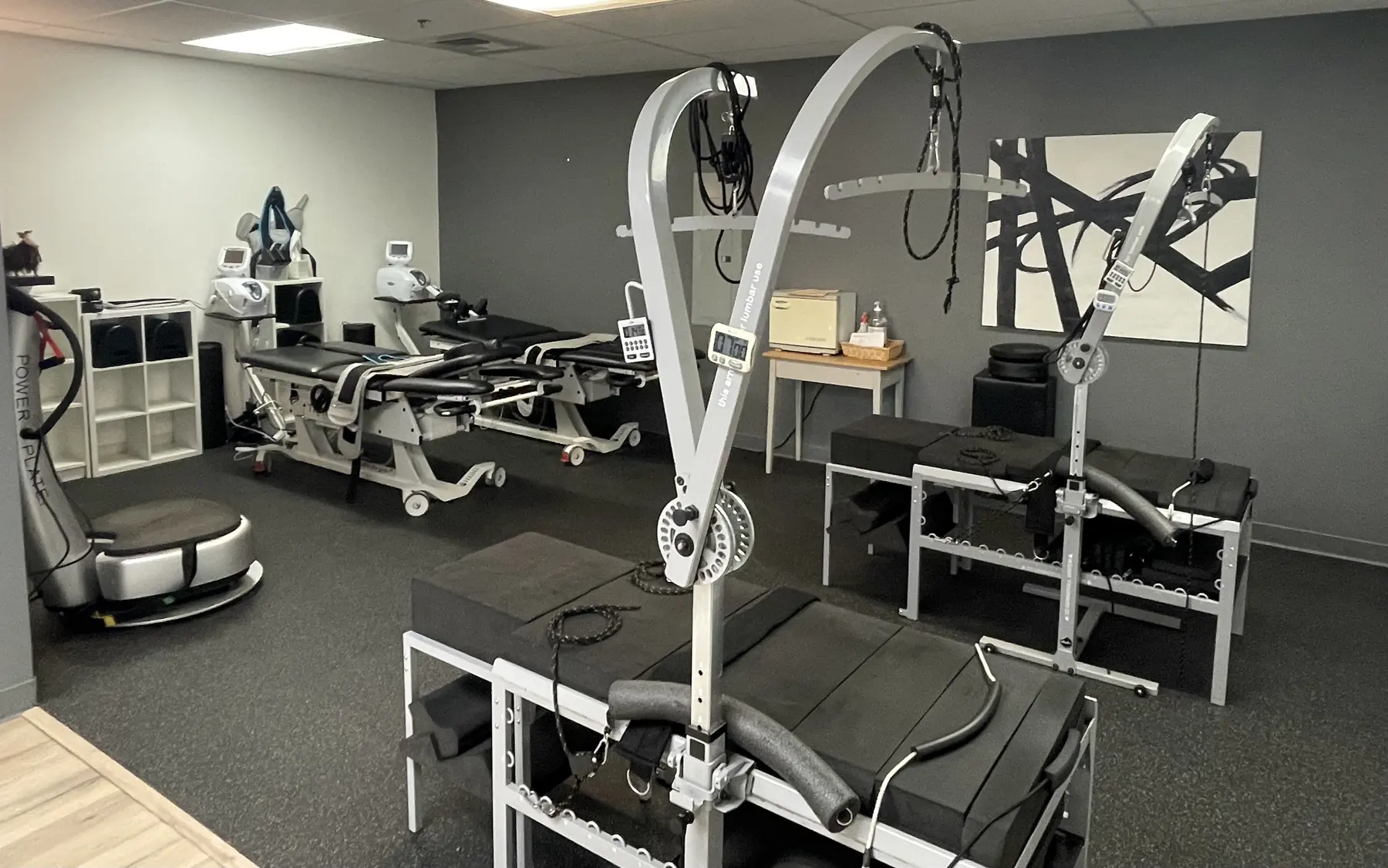
Controlled decompression may be incorporated for appropriate disc-related or radiating symptoms after screening.
Condition-specific movement builds control, strength, endurance, and confidence for daily and recreational demands.
Integrated Palm Springs care
Chiropractic and acupuncture are coordinated around shared findings and goals while remaining distinct disciplines.
Evaluate spinal motion, curves, posture, loading, and relevant neurologic findings.
Support pain modulation, muscular relaxation, recovery, and nervous-system balance.
Build capacity for walking, work, sleep, golf, racquet sports, training, and daily life.
Objective findings
We track the things that matter to the individual while using structural measurements only when they are clinically relevant to the care goal.
Imaging is used only when clinically appropriate. Individual results vary.
Is this the right next step?
An integrated evaluation may help when symptoms are recurring, radiating, activity limiting, or difficult to manage with basic self-care.
Clinical review
Dr. Eric Swartz, DC and Dr. Bill Bastian, DACM, LAc coordinate chiropractic and acupuncture around the same clinical picture while tailoring each role to the patient.


Common questions
Chiropractic may address relevant spinal motion, structure, and loading, while acupuncture may support pain modulation, muscular relaxation, recovery, and regulation. The plan may use one or both disciplines.
No. Sciatica generally refers to symptoms traveling along a sciatic nerve distribution, often into the buttock or leg. Low-back pain can occur without nerve involvement.
Yes. Non-surgical decompression may be considered after screening when symptoms and findings suggest that a controlled traction approach is appropriate.
No. Care is individualized. Some patients receive chiropractic, some acupuncture, and others a coordinated plan that may also include rehabilitation or decompression.
Palm Springs · Ready when you are
Schedule an evaluation to understand your findings, options, and appropriate next steps.