Radiating pain
Pain traveling from the back into the buttock or leg may suggest nerve irritation and warrants neurologic assessment.
Palm Springs · Non-surgical disc care
Controlled spinal loading supported by structural and whole-body care.
Spinal decompression may be considered when disc-related pain, sciatica, or radiating symptoms call for focused conservative care. Palm Springs patients can also access corrective chiropractic, rehabilitation, and acupuncture within the same practice.

Understanding decompression
Spinal decompression uses controlled traction to change spinal loading through planned pull-and-release cycles. The involved region, force, progression, and tolerance must be considered carefully.
The Palm Springs approach goes beyond placing every patient on a table. The team determines whether the presentation appears disc-related, whether neurologic or medical referral is needed, and how decompression might fit with chiropractic, rehabilitation, or acupuncture.
Explore our CBP® structural approachWhat patients often notice
Imaging alone does not establish the source of pain. Symptoms and examination findings must agree.
Pain traveling from the back into the buttock or leg may suggest nerve irritation and warrants neurologic assessment.
Sensory changes help localize the pattern but should not be interpreted without clinical screening.
Some disc-related presentations become more noticeable during prolonged sitting, driving, or bending.
Repeated flare-ups may involve mechanical loading, conditioning, movement, structure, and recovery.
Your evaluation
Safety, diagnosis, and clinical fit come before equipment.
Review onset, radiation, previous imaging, treatment response, health history, surgery, and daily limitations.
Orthopedic, neurologic, movement, and chiropractic findings help clarify the likely pain generator.
Relevant MRI or X-rays are reviewed; new imaging is considered only when it would affect recommendations.
Discuss decompression, chiropractic, rehabilitation, acupuncture, co-management, or referral based on the findings.
Personalized care
The combination is individualized, and no patient is required to receive every service.
Controlled traction is progressed around the involved region, patient tolerance, and response.
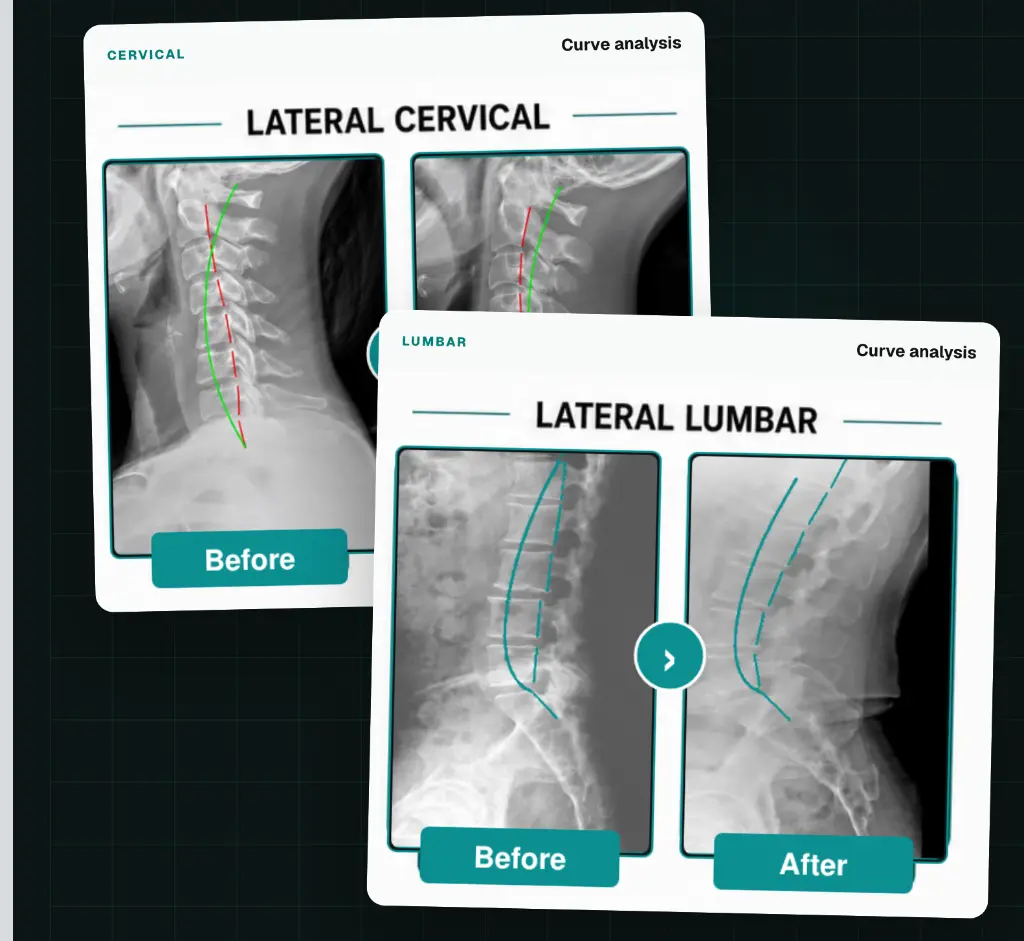
CBP®-informed care may address relevant spinal motion, posture, alignment, and structural findings.
Acupuncture may support pain modulation, muscular relaxation, recovery, and regulation alongside the mechanical plan.
Condition-specific movement helps rebuild control, tolerance, strength, and confidence.
Integrated disc care
Palm Springs patients can receive decompression within a coordinated environment rather than as an isolated machine-based service.
Targets a specific mechanical loading goal through controlled traction.
Addresses relevant posture, spinal motion, and alignment findings.
Uses rehabilitation and acupuncture when appropriate to support the patient through the plan.
Objective findings
Disc bulges and degenerative findings are common. Candidacy depends on the relationship between imaging, symptoms, neurologic findings, health history, and response.
Imaging is used only when clinically appropriate. Individual results vary.
Is this the right next step?
Decompression may be considered when persistent symptoms appear disc-related and conservative treatment is appropriate.
Clinical review
Dr. Eric Swartz, DC and Dr. Bill Bastian, DACM, LAc coordinate structural care and recovery support while keeping each recommendation specific to the patient.


Common questions
The Palm Springs practice uses controlled, non-surgical spinal decompression as part of individualized care when examination findings and candidacy screening support its use.
Yes, when clinically appropriate. Acupuncture may be coordinated to support pain modulation, muscular relaxation, recovery, and treatment tolerance while decompression addresses a mechanical loading goal.
No. Disc findings are interpreted alongside symptoms, neurologic examination, health history, stability, goals, and contraindications. Some disc bulges are not symptomatic.
There is no universal number. Recommendations depend on diagnosis, symptom duration and severity, examination findings, tolerance, goals, and response to care.
Palm Springs · Ready when you are
Schedule an evaluation to understand your findings, options, and appropriate next steps.