Postural fatigue
Difficulty sustaining comfortable posture during work, travel, recreation, or daily life.
Palm Springs · Corrective rehabilitation
Build better mechanics—and the capacity to maintain them.
CBP® traction and condition-specific rehabilitation connect structural findings with movement, strength, recovery, and everyday function.

A structural foundation
The Palm Springs approach connects corrective chiropractic with traction and rehabilitation selected around spinal mechanics, posture, movement, and functional goals.
Acupuncture may also support pain modulation, muscular balance, and recovery when it is an appropriate part of the plan.
Explore our CBP® structural approachWhat patients often notice
The examination determines whether exercise, traction, acupuncture, or another approach is appropriate.
Difficulty sustaining comfortable posture during work, travel, recreation, or daily life.
Guarding or stiffness that returns with repeated postural or activity demands.
Limited movement affecting daily function, exercise, golf, tennis, or pickleball.
Difficulty coordinating the trunk, shoulders, pelvis, or lower body efficiently.
Loss of endurance or confidence following pain, injury, or inactivity.
A need to reinforce structural correction through targeted movement and traction.
Your evaluation
Posture, movement, symptoms, activity demands, and structural findings shape the rehabilitation strategy.
Understand what the patient wants to return to, improve, or protect.
Evaluate posture, mobility, control, endurance, and symptom response.
Determine whether exercise, traction, chiropractic, acupuncture, or a coordinated plan is appropriate.
Establish comfortable technique and explain the purpose of each recommendation.
Adjust the plan according to response, capacity, and objective findings.
Personalized care
Each discipline is used only when clinically appropriate and helpful for the patient’s goals.
Customized positioning and loading selected around spinal curves and structural findings.
Targeted movement designed to reinforce improved alignment and control.
Restore useful motion while building the ability to manage everyday and recreational demands.
Targeted adjustments integrated with the broader corrective plan when appropriate.
Pain, muscular balance, regulation, and recovery support when clinically relevant.
Clear strategies that can be performed safely between visits.
Integrated recovery support
When both are appropriate, the Palm Springs providers coordinate around shared findings and goals.
Chiropractic, traction, and exercise address posture, spinal mechanics, and movement.
Acupuncture may support pain modulation, muscular balance, and nervous-system regulation.
Objective findings
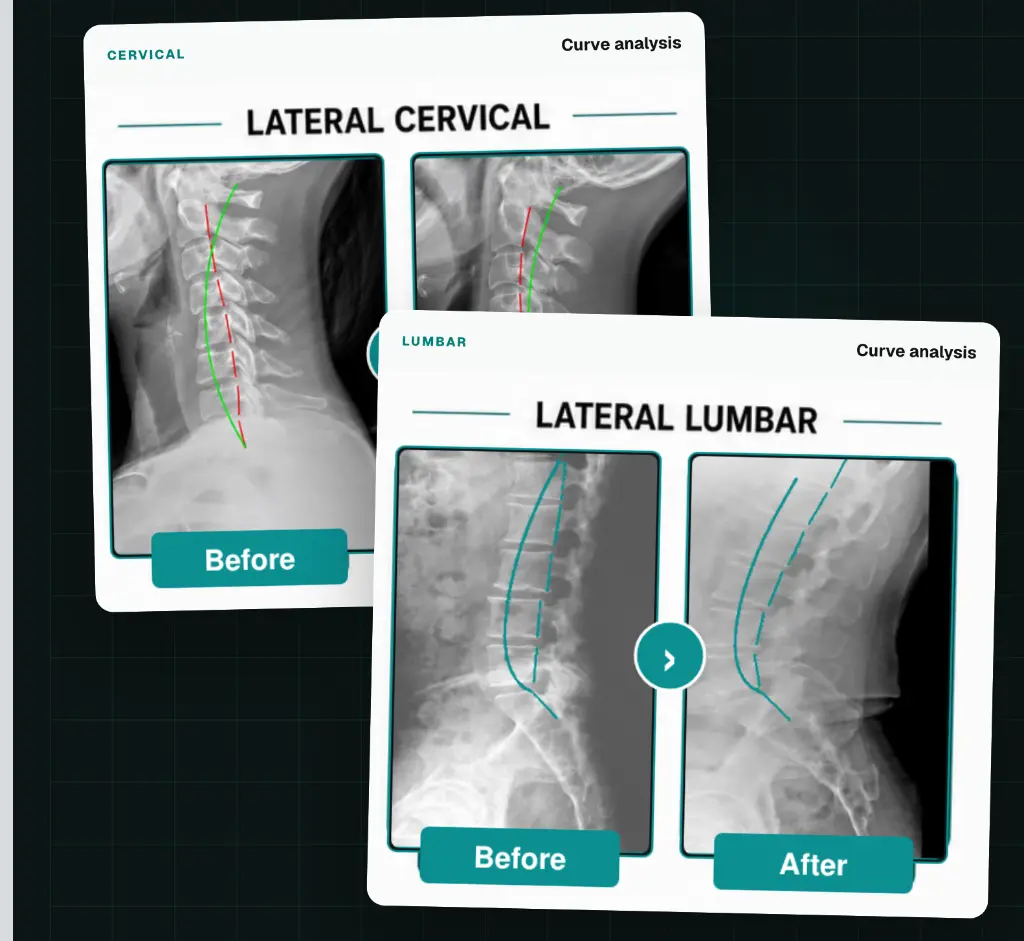
Progress is evaluated through symptoms, movement, function, activity tolerance, and objective structural findings when appropriate.
Imaging is used only when clinically appropriate. Individual results vary.
Is this the right next step?
Patients with a mechanical, postural, movement, or conditioning pattern may benefit when rehabilitation can be performed safely.
Clinical review
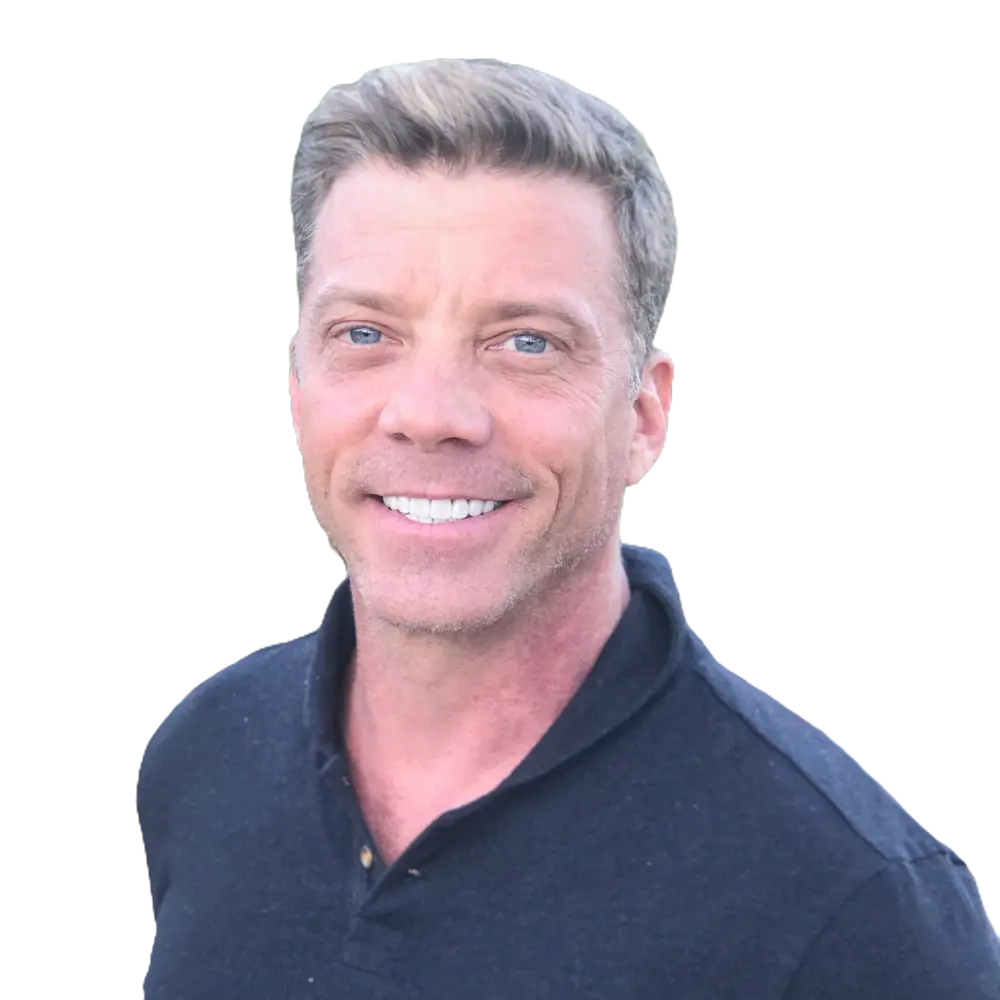
Dr. Eric Swartz, DC and Dr. Bill Bastian, DACM, LAc coordinate structural care, movement, and recovery while keeping every recommendation specific to the patient.

Common questions
No. Each service is recommended only when appropriate. Some patients receive one discipline and others may benefit from a coordinated plan.
Yes. Selection and progression reflect examination findings, tolerance, activity, and goals.
It may help restore mobility, control, endurance, and confidence for active adults when clinically appropriate.
Home care may be recommended when it supports the plan and can be performed safely.
The team considers symptoms, posture, movement, function, activity tolerance, examination findings, and imaging when clinically necessary.
Palm Springs · Ready when you are
Schedule an evaluation to understand your findings, options, and appropriate next steps.